
Start with plants that work with you
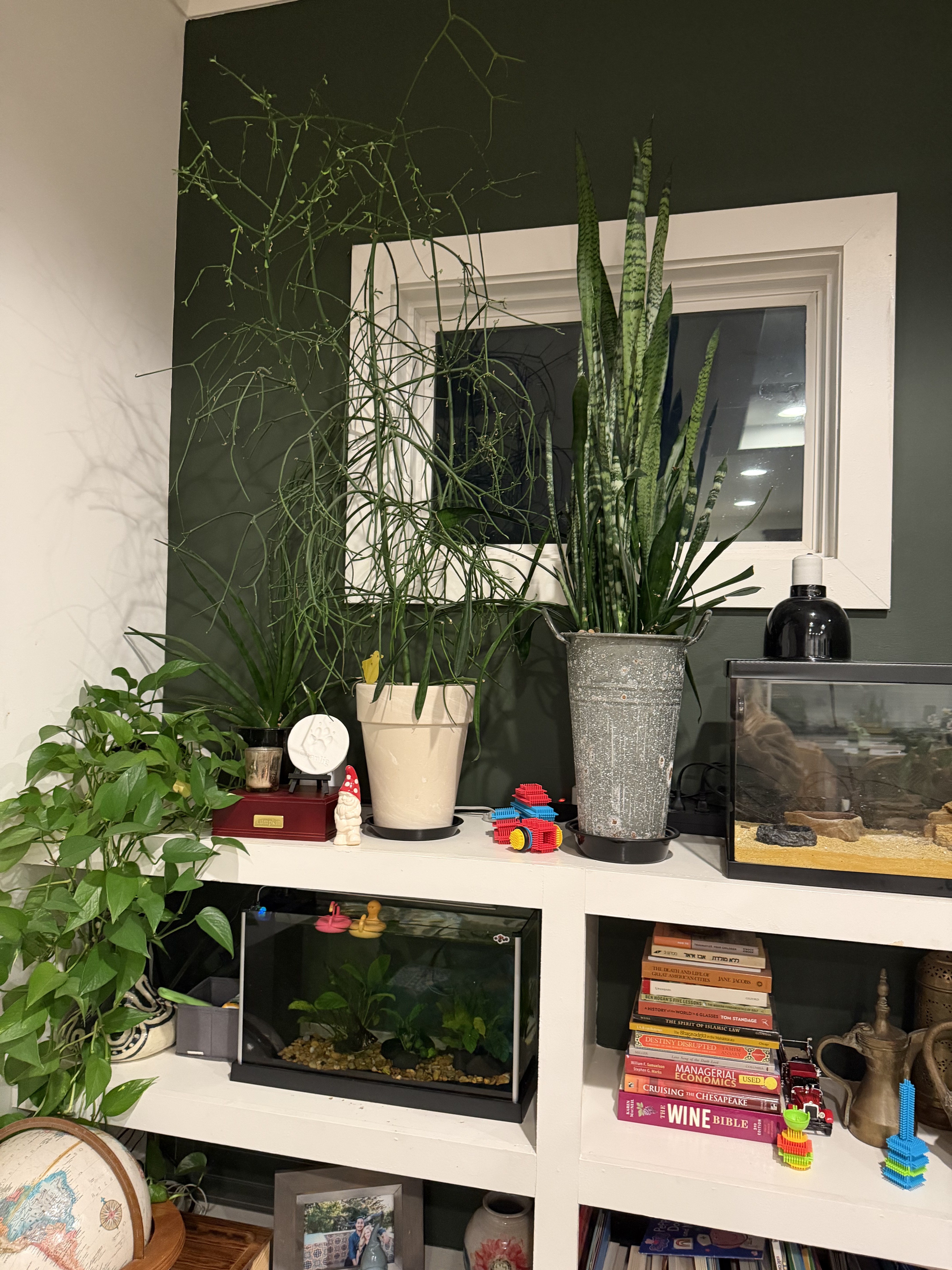
If you're new to houseplants, the best place to start is with plants that tolerate imperfect care. Most people don't struggle with plants because they lack skill — they simply begin with plants that require more precise conditions. These three plants are some of the most forgiving you can grow. They tolerate inconsistent watering, a range of light conditions, and the normal learning curve that comes with caring for plants.
Snake Plant
Snake plants are one of the most resilient houseplants available. They tolerate low light, irregular watering, and a wide range of indoor conditions. They also reproduce easily, producing small offshoots or "pups" that can be separated and grown into new plants. Over time, one snake plant can become several.
Pothos
Pothos are incredibly adaptable plants that grow well in many different environments. They tolerate both slightly dry soil and occasional overwatering better than most plants. They are also fast growers and easy to propagate, making them a favorite for shelves, trailing baskets, and plant lovers who enjoy multiplying their plants.
Pencil Cactus
Pencil cactus are extremely hardy plants for bright spaces. They require strong light and very little watering, which makes them surprisingly easy once placed in the right location. Their sculptural shape and tree-like growth also make them one of the more unique houseplants you can grow indoors.
Where to go from here
These three plants are excellent places to start building confidence with houseplants. For a full guide to choosing plants, understanding light, watering, soil, and troubleshooting plant problems, explore The Practical Guide to Houseplants.