
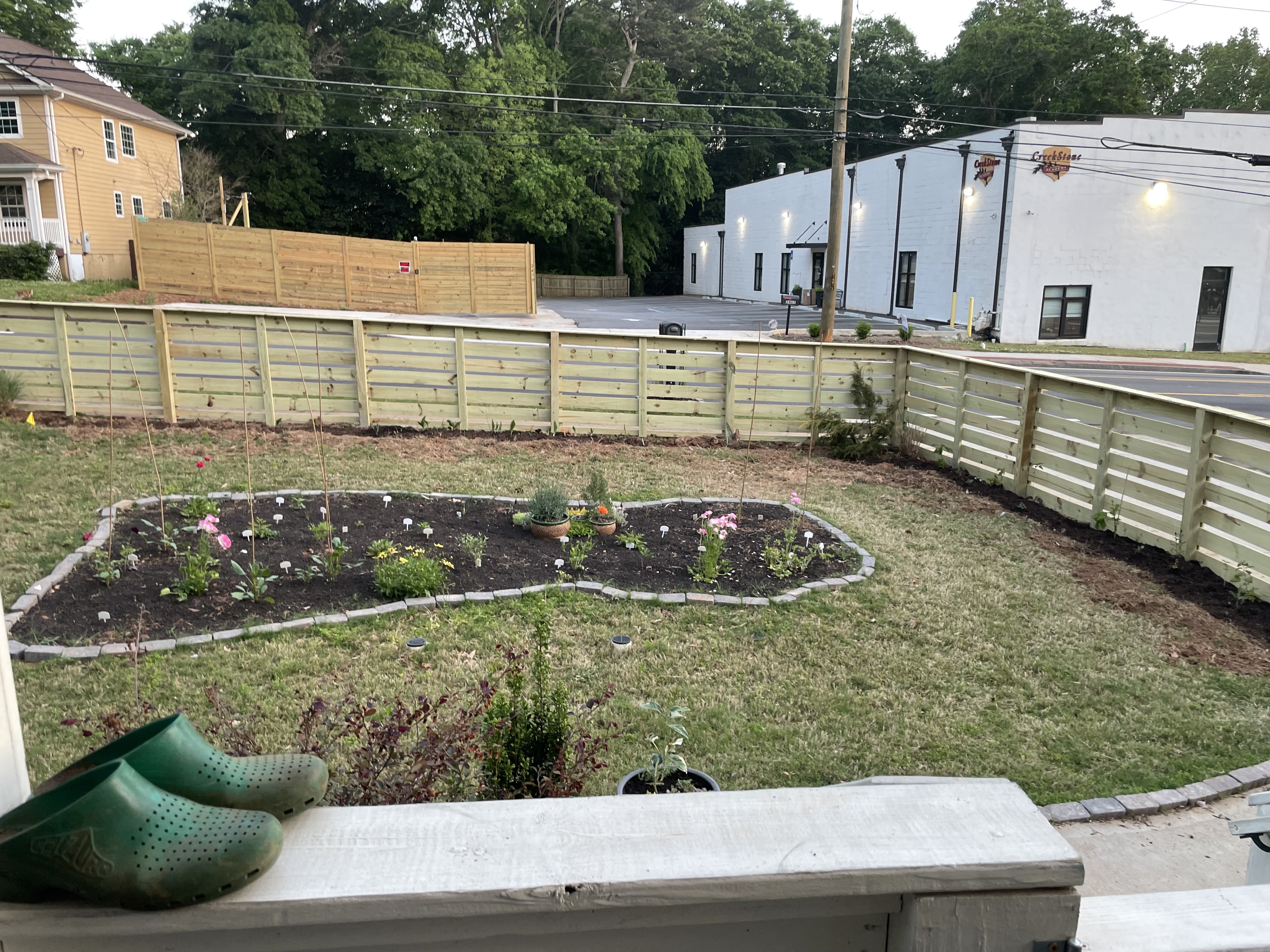
Less digging than you think
Many people assume starting a garden bed requires digging up large sections of the yard or hauling away soil. In reality, the easiest and most effective method often requires very little digging at all.
Working with natural soil processes
Garden beds can be created gradually by working with natural soil processes instead of fighting them. One of the most effective approaches involves layering organic materials that slowly improve the soil underneath while suppressing weeds. This method mimics what happens naturally on a forest floor, where leaves, branches, and organic matter break down and build rich soil over time. Starting a garden bed becomes less about construction and more about creating the conditions for soil to improve naturally.
What the guide covers
In the guide, you'll find:
- ✦A simple layered approach for building new beds
- ✦How to smother weeds and Bermuda grass
- ✦When to start new beds for the best results
- ✦How to plant directly into newly created beds
Ready to start?
If you're curious about turning part of your yard into a garden space, the guide walks through the process step by step.