
Soil & Season
Spring 2026
Vol. 1, No. 1 · May 2026
Gardening invites us to participate in the natural world. When you plant a garden, you begin to notice the seasons differently — what's emerging, what's declining, what the soil needs. This is your quarterly nudge to pay attention. Short, seasonal, regenerative.
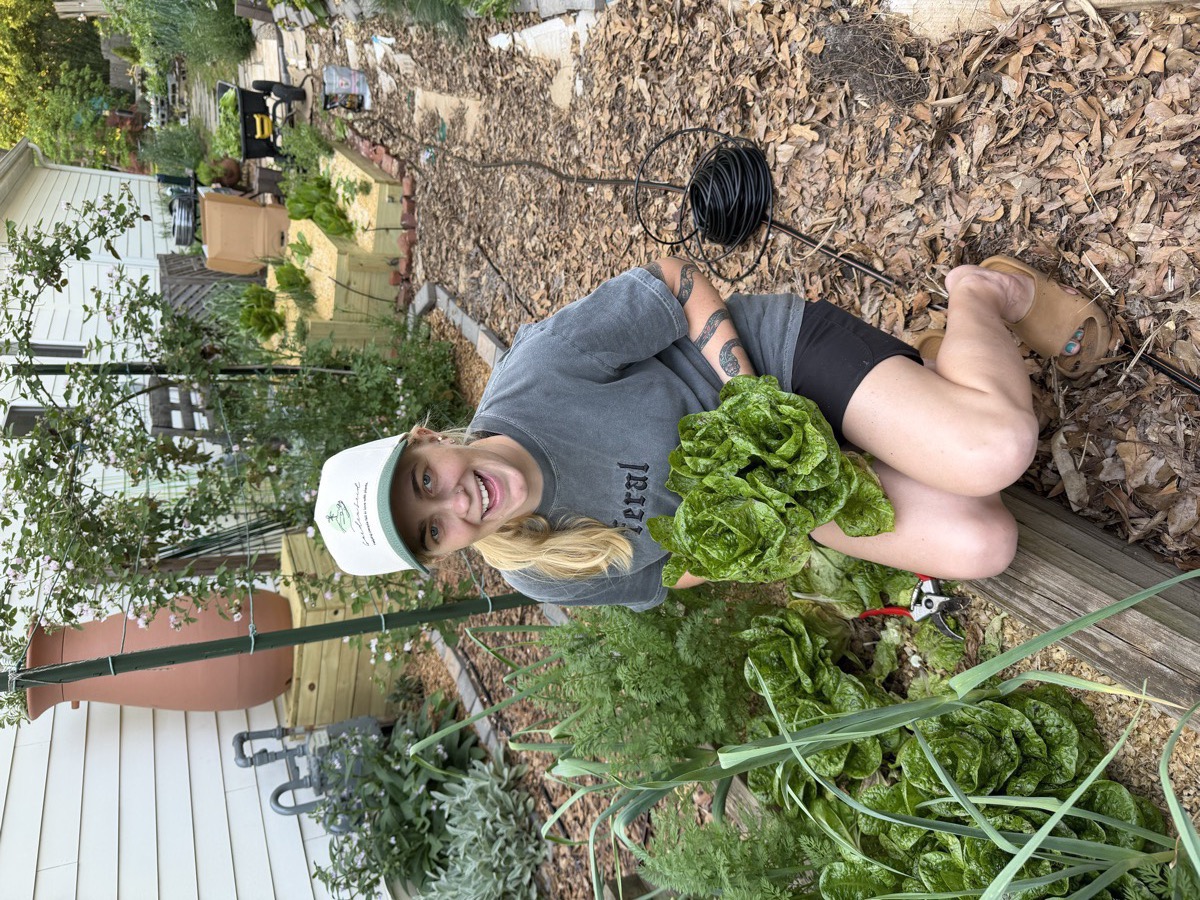
Top-dress beds with finished compost — feed the soil, not the plant. Georgia clay alone is not soil; organic matter is how we build it over time.
Local sources worth knowing: Wylde Center, Soil 3 Veggie Mix, RiverSand. Local compost is far richer than anything in a bag at the big-box store.
Buy starts for tomatoes, peppers, eggplant, basil, squash, cucumbers, and okra — these do best transplanted, not direct sown.
Skip big-box overcrowded cell packs. Try Wylde Center, ATL Urban Farms, or Garlands Garden for better quality starts that actually thrive.
Direct sow beans, nasturtium, and marigolds — these are best sown straight into the ground.
Marigolds, borage, and nasturtium are your top companion plants — they offer the most direct pest deterrence and pollinator support. Other flowers help but these three earn their spot.
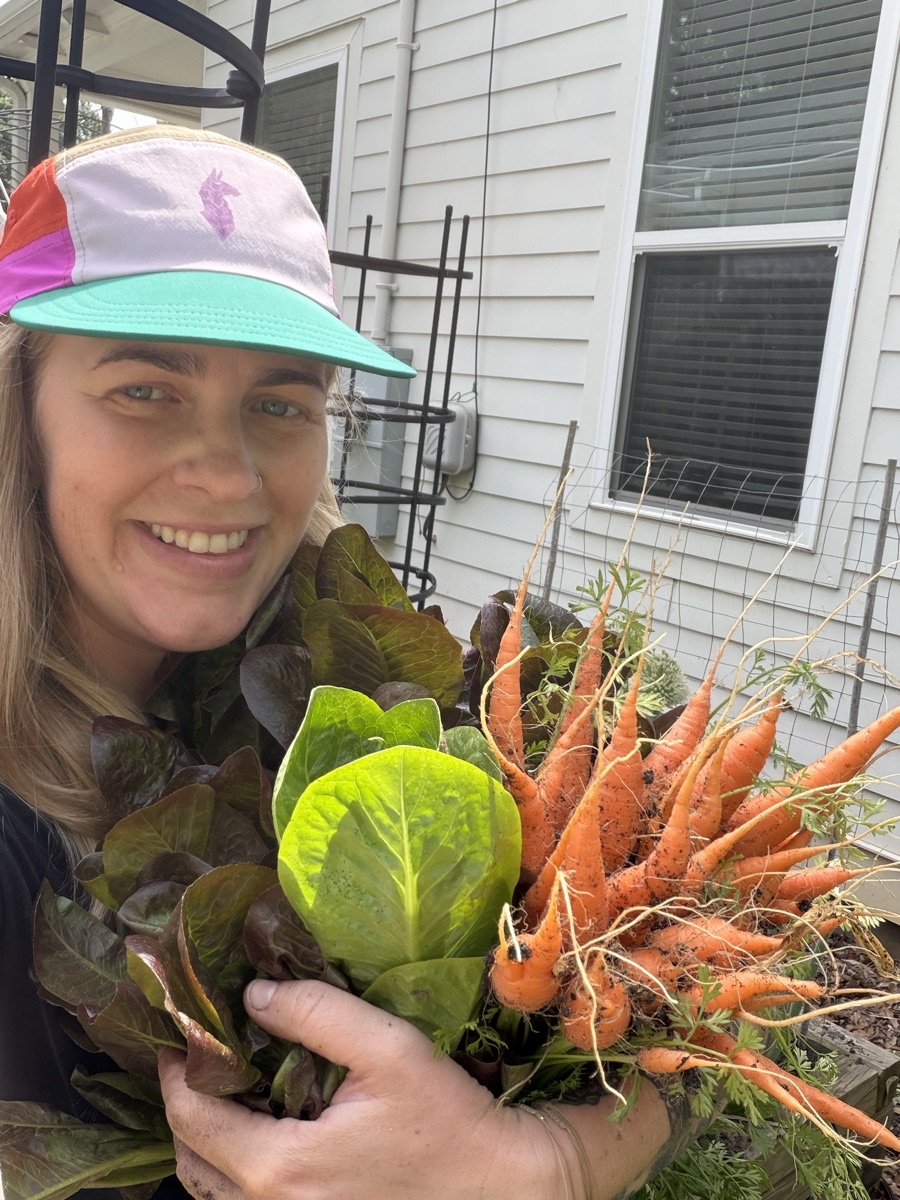
Harvest cool-season greens before they bolt, then fill that space with companion flowers or annuals.
Get 3 inches of mulch down now — leaves and wood chip both work. Layer it, don't turn it. Every layer that breaks down is building the soil system underneath.
Don't clean up too aggressively. Leaves left in beds are future soil. This is one of the most important things you can do for a regenerative garden.
Pull invasives before they set seed — privet, English ivy, and Bradford pear are all going right now.
Plant native perennials now — coneflower, milkweed, black-eyed Susan, coreopsis — and fill the gaps with annuals while they establish.
First year they sleep, second year they creep, third year they leap. Use annuals like zinnias, cosmos, marigolds, and sunflowers to keep beds full and beautiful while your perennials build roots you can't see yet.
Repot anything rootbound now — this is peak growing season and plants handle the transition well. Go up one pot size only; too much extra soil holds water and causes root rot.
Check for roots circling the bottom or escaping drainage holes — those are your signals.
When repotting, top off with fresh soil that already has compost in it — this is the best food you can give your plants and sets them up for the whole growing season.
Move plants toward brighter windows or back out to shaded porches — they're hungry for light after a low-sun winter.
Resume regular watering — growth is ramping up fast. Your plants will start communicating more clearly now; pay attention to them.
Feed with compost tea or diluted organic fertilizer — skip the synthetic stuff, which feeds the plant but starves the soil.
1–2 times per season is plenty, with a maximum of once a month through September. Less is more.
Get ahead of pests before they start — spray foliage with Bonide Insecticidal Soap and work Bonide Systemic Granules into the top layer of soil.
Prevention is far easier than treatment. Doing this now at the start of growing season means you're not chasing spider mites and fungus gnats all summer.
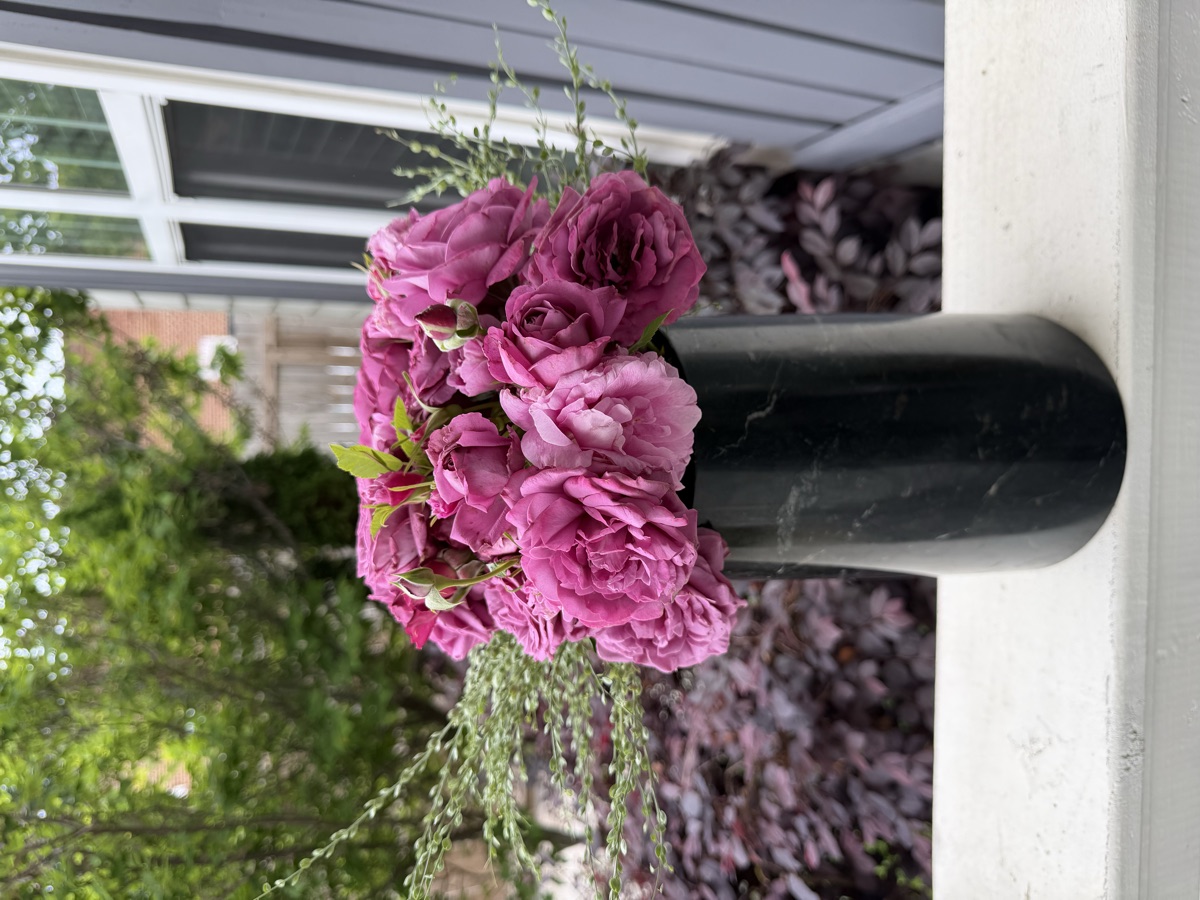
Right now in the Dogwood City: coral honeysuckle lighting up fences for hummingbirds, wild blue indigo in full purple-spike glory, and coreopsis and black-eyed Susan just coming in as the native azaleas fade. The City in the Forest is in full transition between spring and summer. Take a minute to notice it before you start pulling weeds.
Native Spotlight: Butterfly Milkweed
Asclepias tuberosa · Georgia Native · Zone 8a · Full sun
The most important plant you can add this season. Host plant for monarchs — without milkweed, monarchs cannot complete their life cycle. Feeds native bees and hummingbirds June–September, right when many other plants are just coasting through the heat. Full sun, dry to average soil — it genuinely thrives on neglect. Unlike the tropical milkweed you'll see at big-box stores (red and yellow), this true Georgia native dies back in winter, which matters for monarch health. Buy it now before it sells out at Beech Hollow Farms or the Wylde Center.
May
7 & 9
Oakhurst Garden, Decatur · Eve. May 7 (6:30pm) or Sat. May 9 (10:30am)
May
Now
435 Oakview Rd, Decatur · Open daily, self-checkout · Natives, veggie starts, and locally-sourced compost at peak selection
May
Now
393 N. Clarendon Ave, Scottdale · Thu–Sun 10am–4pm · All natives, no pesticides, locally grown
Jun
21
Bee City USA Decatur · 10am–2pm · Decatur is certified Bee City USA
Key terms from this edition — for future reference and new gardeners getting started.
Direct sow
Planting seeds directly into the ground (or a container) where they'll grow to maturity — no transplanting involved. We prefer to direct sow beans, marigolds, nasturtiums, and sunflowers.
Transplant / starts
A seedling that was started indoors or grown in a nursery cell pack and then moved to its final growing spot. Tomatoes, peppers, eggplant, and basil do best transplanted rather than direct sown.
Top-dress
Applying compost or another amendment to the surface of your soil without turning or digging it in. Earthworms and rain do the work of integrating it over time.
Companion planting
Growing different plants close together so they benefit each other — through pest deterrence, pollinator attraction, or soil improvement. Marigolds, borage, and nasturtiums are classic companions.
Bolt / bolting
When a plant — usually a vegetable or herb — sends up a flower stalk prematurely in response to heat or stress. Once a plant bolts, its leaves often turn bitter and its harvest window closes.
Rootbound
When a plant's roots have completely filled its container and have nowhere left to grow, often circling the bottom or escaping drainage holes. A rootbound plant needs a new, larger pot.
Host plant
A specific plant species that an insect or butterfly requires to complete part of its life cycle — particularly for laying eggs and feeding larvae. Milkweed is the only host plant for monarch butterflies.
Native perennial
A plant species that is native to the local region and returns year after year from its established root system, rather than needing to be replanted each season.
Zone 8a
A USDA Plant Hardiness Zone covering Atlanta and much of metro Georgia, defined by an average minimum winter temperature of 10–15°F. Knowing your zone tells you which plants can survive your winters.
Organic matter
Decomposed plant and animal material in the soil — the foundation of healthy, living soil. Compost, leaf mulch, and wood chips all add organic matter over time. Georgia red clay needs a lot of it.
From GardenSeid
Want more hands-on help?
The newsletter is a starting point. If you want someone to walk through your specific garden with you, these are ways we can work together.
Garden Services
Consultations, seasonal installations, and ongoing care for Atlanta-area gardens.
See servicesFree Intro Call
Not sure where to start? Book a free 20-minute call and we’ll talk through your garden goals.
Book a callPlant Guides
Free guides on houseplant care, native plants, and building a regenerative garden.
Browse guidesYou received this because you subscribed to Soil & Season. Unsubscribe