Protect the soil instead of disturbing it
Weeds are one of the biggest frustrations for new gardeners. But weed control often becomes much easier once you understand how soil ecosystems work. Many gardens struggle with weeds because the soil is constantly disturbed. Digging, turning soil, and removing organic material can expose weed seeds and encourage new growth.
Mulch as a protective layer
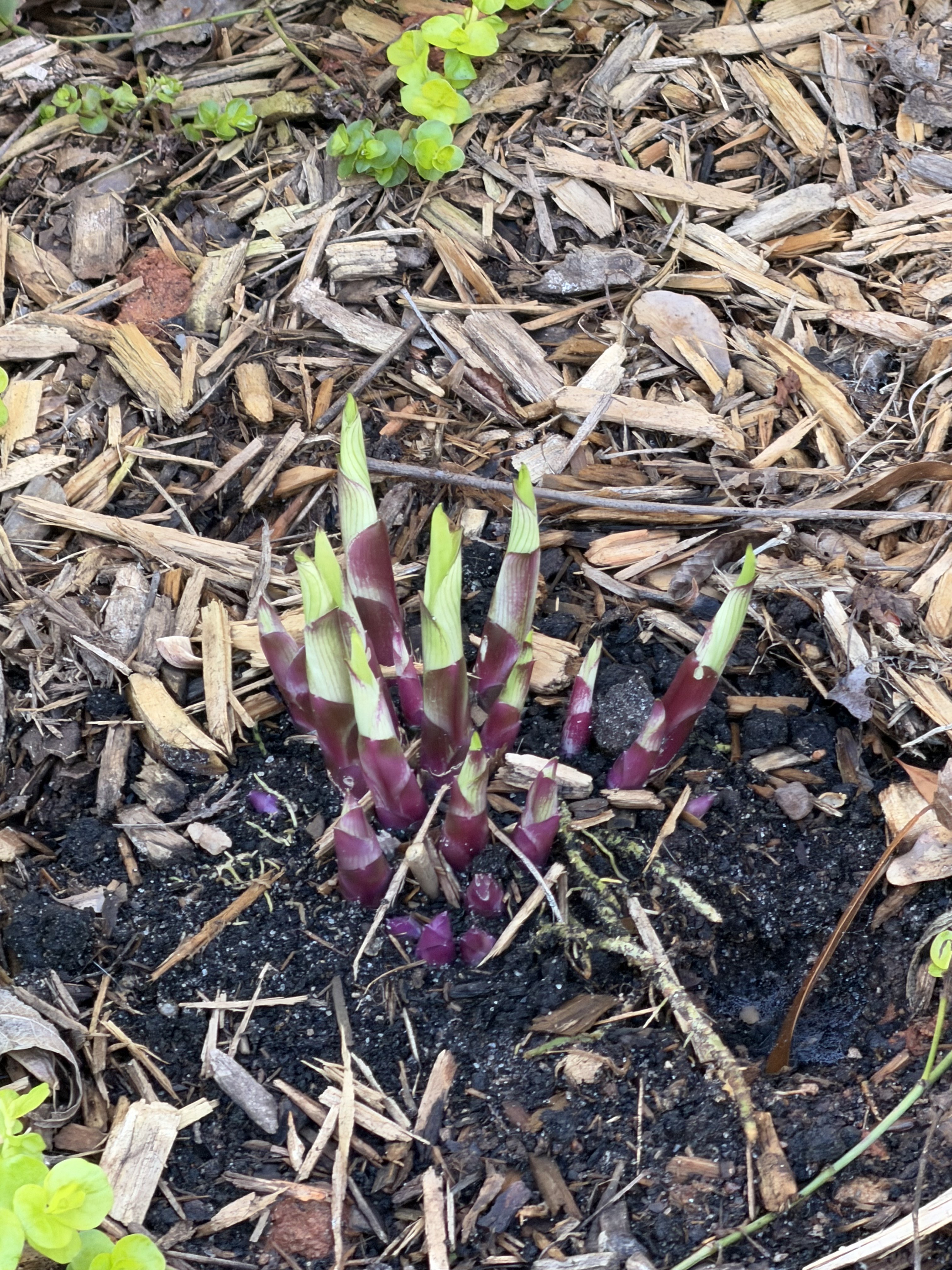
A simpler approach focuses on protecting the soil instead of disturbing it. Mulch — along with leaves and other organic materials — acts as a natural protective layer. Over time, these materials break down and improve soil structure while suppressing weeds. Leaves, in particular, are one of the most valuable resources many gardeners overlook. Instead of removing them from the yard each fall, they can become an important building block for healthier garden soil.
What the guide covers
In the guide, you'll find:
- ✦The layered mulch method used to suppress weeds
- ✦Why leaves are one of the best soil builders
- ✦How mulch improves moisture retention and soil health
- ✦Simple ways to build healthier garden beds over time
Build toward healthier soil
Healthy soil gradually reduces weed pressure and creates a stronger foundation for plants.