
All Resources

Home Garden

Starting Your First Vegetable Garden

Many first vegetable gardens start small. The goal of a first vegetable garden is not perfection — it is experimentation.

Starting Your First Vegetable Garden

Start smaller than you think

One of the most common mistakes with a first vegetable garden is starting too large. A four-by-eight-foot raised bed or a small in-ground bed is enough to produce a meaningful harvest and teach you most of what you need to know. A garden that's too large can become overwhelming, especially in summer when heat and growth accelerate.

Starting small means you can give each plant the attention it needs and learn from a manageable number of variables.

Location is everything

Vegetables need sunlight. Most fruiting vegetables — tomatoes, peppers, cucumbers, squash — need at least six to eight hours of direct sun per day. Leafy greens like lettuce, spinach, and kale can manage with four to six hours, and will actually last longer in partial shade during hot summers.

Choose the sunniest spot available. If you're uncertain, track the sunlight in the space over the course of a day before deciding where to plant.

What to grow first

The most satisfying first vegetables are ones that grow quickly, produce abundantly, and taste noticeably better fresh from the garden than from a store. Good beginner choices include:

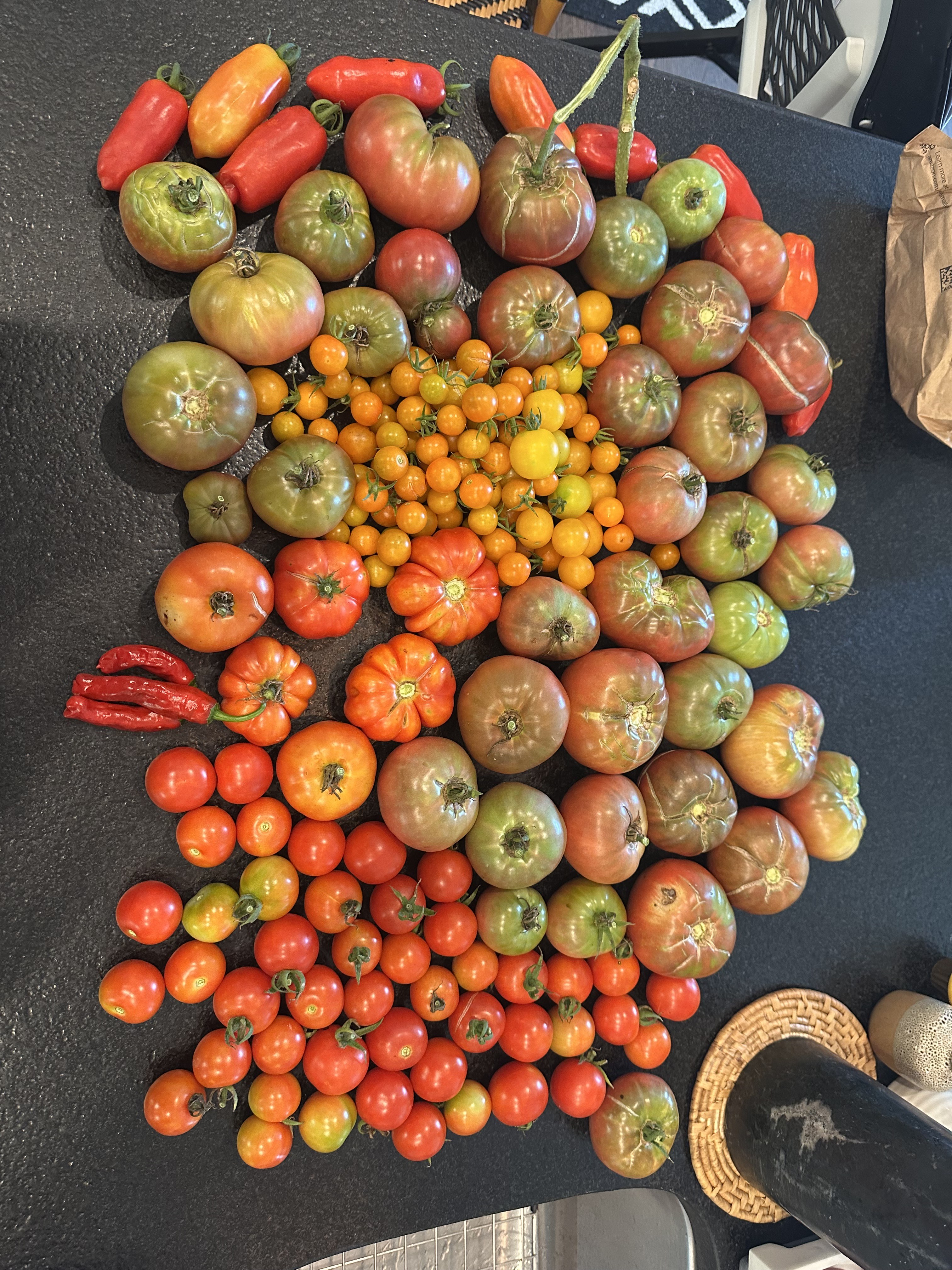
  • Tomatoes — the most rewarding summer vegetable, especially cherry tomato varieties
  • Zucchini — grows fast, produces heavily, and requires minimal care
  • Green beans — straightforward to grow and harvest
  • Lettuce and salad greens — quick, can be grown in partial shade, and harvested repeatedly
  • Herbs like basil, parsley, and chives — useful in the kitchen and easy to care for

Raised beds vs in-ground

Raised beds offer better drainage, easier access, and more control over your soil. They warm up faster in spring and tend to have fewer weed problems if you start with quality soil. The initial investment is higher, but many gardeners find raised beds significantly easier to manage.

In-ground gardens require more soil preparation but are less expensive to start. If your existing soil is good — not heavy clay, not compacted — in-ground gardening works well.

The learning process

A first vegetable garden will teach you more than any book. You'll observe how plants change week to week, learn to recognize the signs of thirst or stress, and discover which crops do best in your specific conditions. That experiential knowledge is what makes gardening progressively easier and more rewarding over time.