
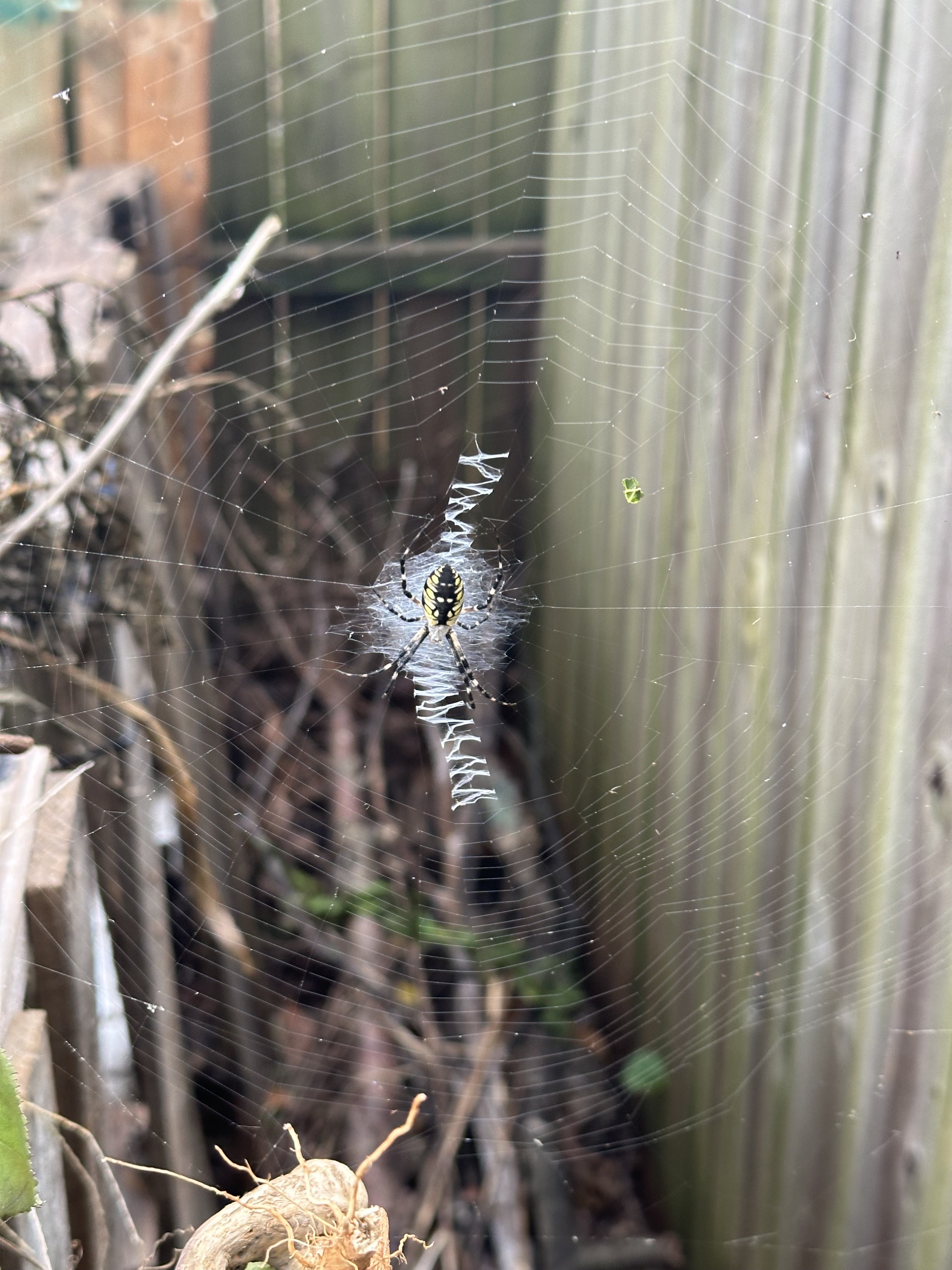
Most insects in your garden are not your enemies
The instinct to eliminate all insects from a garden is understandable but counterproductive. The vast majority of garden insects are either beneficial — pollinating flowers, controlling pest populations, breaking down organic matter — or entirely neutral. Only a small fraction are causing meaningful harm to your plants.
A garden that's been treated heavily with pesticides often has more pest problems over time, because pesticides kill beneficial predators along with the target pests.
Pollinators
Bees, butterflies, moths, flies, and beetles are responsible for pollinating the flowering plants in your garden, including most vegetables and fruits. Without pollinators, many plants produce no fruit at all.
Supporting pollinators means providing diverse flowering plants across the season, avoiding pesticide use during bloom, and leaving some areas of the garden a little wilder.
Beneficial predators
Many insects prey on common garden pests. Ladybugs and their larvae eat aphids voraciously. Lacewings consume aphids, mites, and other soft-bodied pests. Ground beetles eat a range of soil-dwelling pests. Parasitic wasps lay eggs in caterpillars and other pest larvae, killing them from within.
These beneficial insects are doing pest control work for free. Preserving them by avoiding broad-spectrum pesticides keeps pest populations in natural balance.
Managing actual pests
When pest damage is significant, the first step is correct identification. Many gardeners react to any insect on a plant, when the insect may be completely harmless. Look up what you're seeing before taking action.
For genuine pest problems, start with the least disruptive approach: hand-picking, a strong spray of water, or insecticidal soap. These methods address the pest without harming the broader insect community.
Tolerating imperfection
Some level of insect damage is normal and acceptable in a healthy garden. A few holes in a leaf, some aphids on a stem — these are signs that your garden is part of a living ecosystem. The goal isn't a perfect, untouched garden. It's a garden that supports life and produces beauty and food through natural processes.

